
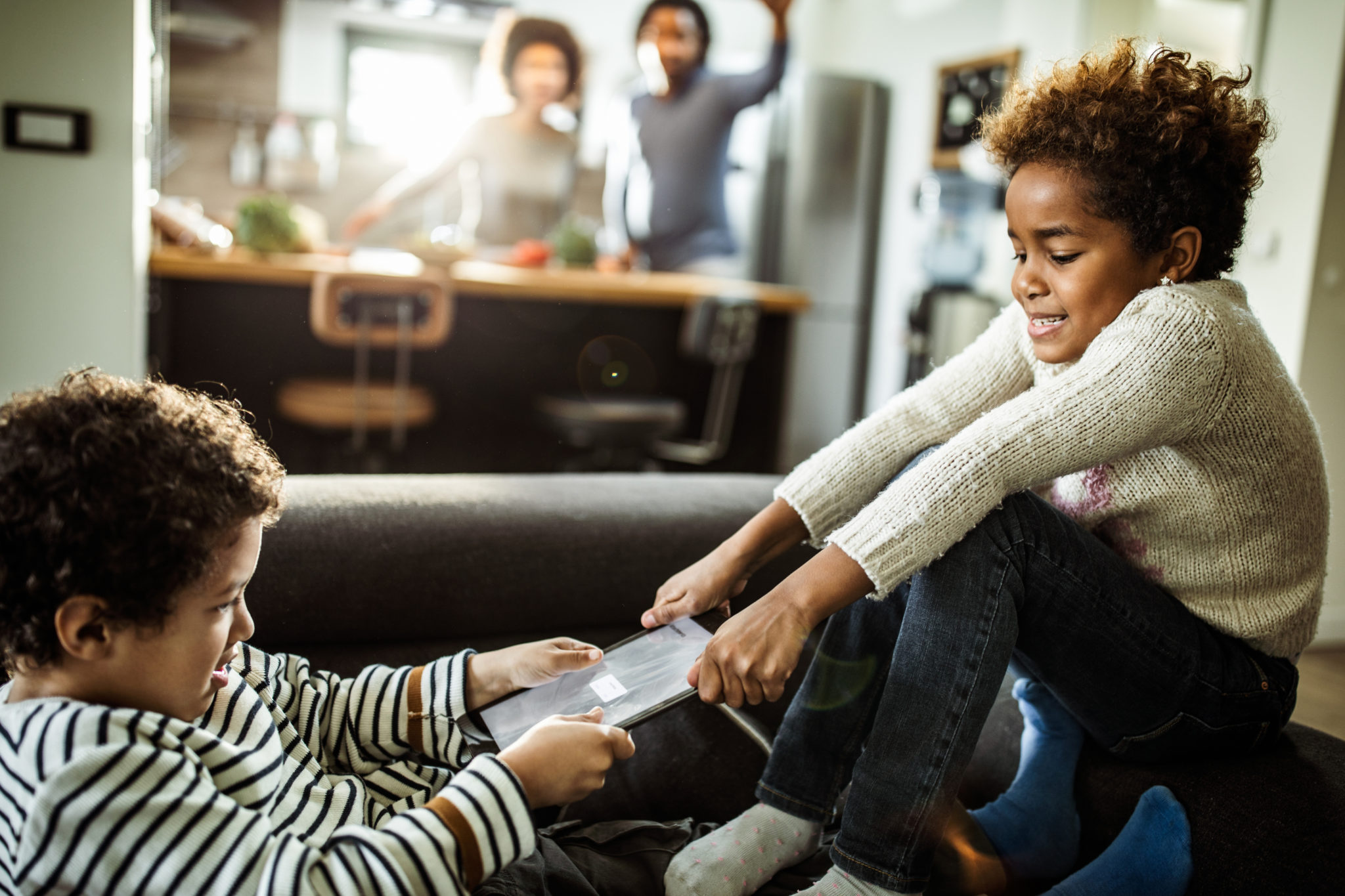
Why Sibling Fighting Is Normal (and What It Really Means)
If you’re parenting more than one child, you’ve likely experienced the sudden yelling, the arguing over something that seems insignificant, and the feeling that it all escalates in seconds.
Sibling fighting is one of the most common (and exhausting) parts of family life. But here’s something many parents don’t hear enough:
Sibling conflict is not only normal, it can be incredibly meaningful for your child’s development.
For families in Richmond, Texas and the greater Houston area, this is one of the most common concerns parents bring into child and family therapy.
Why Do Siblings Fight? Understanding the Root of Conflict
Sibling conflict often looks chaotic on the outside but underneath, it’s rooted in very real emotional experiences.
Competition for Attention, Connection, and Belonging
Children are navigating competition for:
- Attention
- Connection
- Time with caregivers
- A sense of importance
Developmental Differences and Emotional Regulation
Children are still learning to:
- Regulate emotions
- Communicate clearly
- Take another’s perspective
- Handle frustration
Reframing Sibling Conflict: A Skill-Building Opportunity
It’s easy to think: “How do I make this stop?” Instead, consider: “What is my child learning in this moment?” Sibling conflict is normal. Siblings are forced into close, involuntary relationships where they are vying for resources and personal space. These conflicts serve as a developmental tool for navigating emotions, learning compromise, and establishing individual identity. They are also learning how to navigate conflict and learn more about repair and reconnection.
How to Handle Sibling Fighting in the Moment
When conflict happens, your response matters more than the conflict itself.
1. Stay Calm and Regulated
Your nervous system sets the tone. You may need to take a deep breath first before addressing the situation and that’s ok.
2. Avoid Taking Sides
Stay curious and observe. Avoid playing the referee.
3. Lead With Empathy
Help each child feel understood. This can often deescalate heightened emotions.
4. Wait Before Problem-Solving
Regulation must come first. Try to avoid jumping into problem solving mode.
Setting Clear Family Expectations Around Sibling Behavior
Families benefit from consistent expectations. And children feel safe and secure when expectations are clear and followed by all family members.
Examples of Healthy Family Boundaries
- No hitting or hurting
- No yelling or name-calling
- Respect for belongings
How One-on-One Time Reduces Sibling Conflict
In busy families, children often compete for connection. Children need individual attention. When we can find small ways to connect individually with each child, over time we will see the relationship improve. Children will feel seen and heard. This will often help reduce the sibling rivalry. However, this takes time. It is long term relational work that requires intention. But remember, the pay off is big and it keeps the relationship at the center.
What Parents May Notice Over Time
- Less intense conflict
- Faster emotional recovery
- Increased independence in problem-solving
When to Seek Help for Sibling Fighting
If conflict feels constant or overwhelming, additional support can help. You don’t have to navigate it alone.
Schedule a free consultation so we can talk about how we can help you get your family and your relationships back on track. Reach out to us at 832-521-8809 to schedule a free consultation or click here.